
The brow and the forehead is an area of the face that is susceptible to age related changes. Several changes occurred in the upper face with aging. The forehead start to wrinkle and develop horizontal fixed forehead lines. The skin at the forehead becomes lax and the brow drops, this is especially apparent in the tail of the eyebrow. Frown lines also start to become prominent between the eyebrows and may even be present at rest. All these changes in the forehead and the brow may make you look tired, angry, sad or older than you feel.
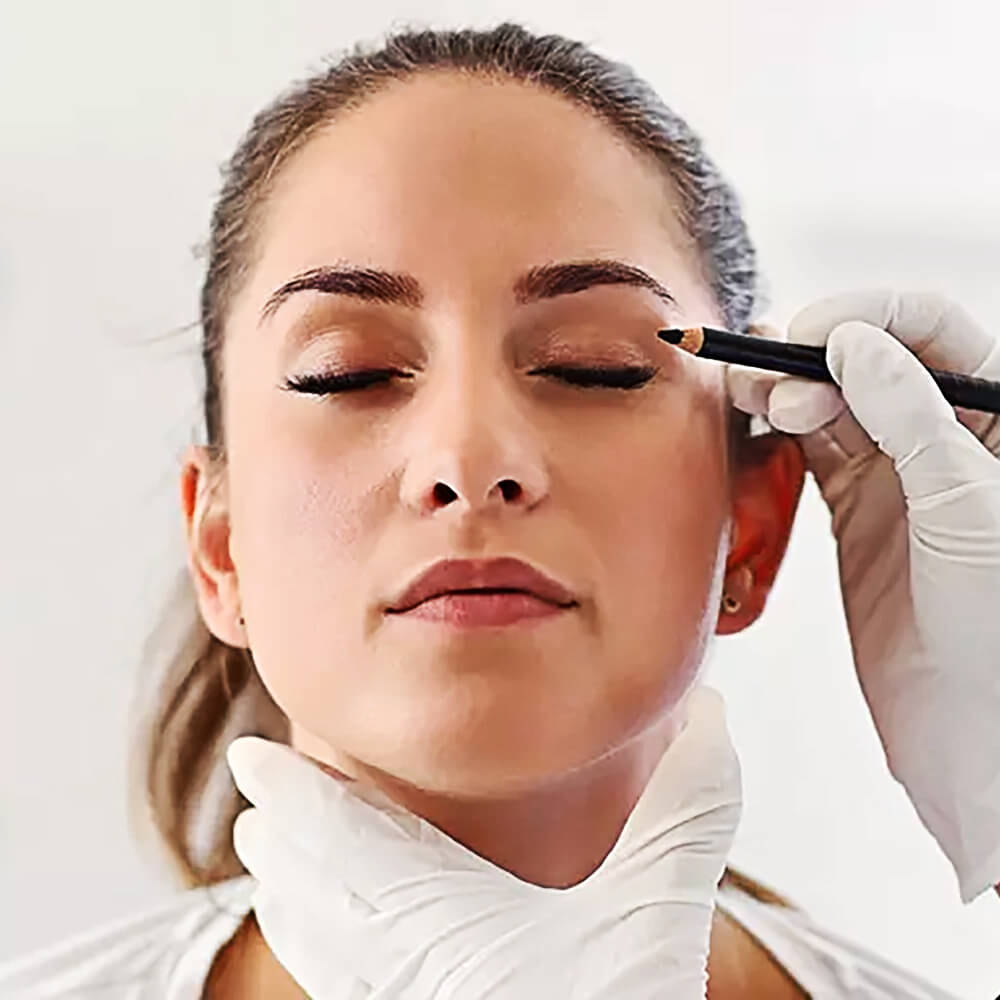
Figure 1. A brow with a youthful shape has the outer end located at a slightly higher position from the inner end and the peak of the brow at about the junction of the inner 2/3 and outer 1/3 of the brow.
The AGING FORHEAD
Browlift
BROW LIFT
A brow lift (also known as a forehead lift) reduces forehead lines and creases and improve frown lines that appeared between your eyebrows. Importantly the descended tail of the brow can also be repositioned into a more youthful position and shape.
THE PROCEDURES
Several procedures are available to address the aging forehead and the brow.
1. The Open Brow Lift
2. The Endoscopic or Limited Incision Brow Lift
3. Deep Temporal Lift
Each has its merits and limitations and selection is based on the patient’s request and specific needs.

The Open BROW Lift
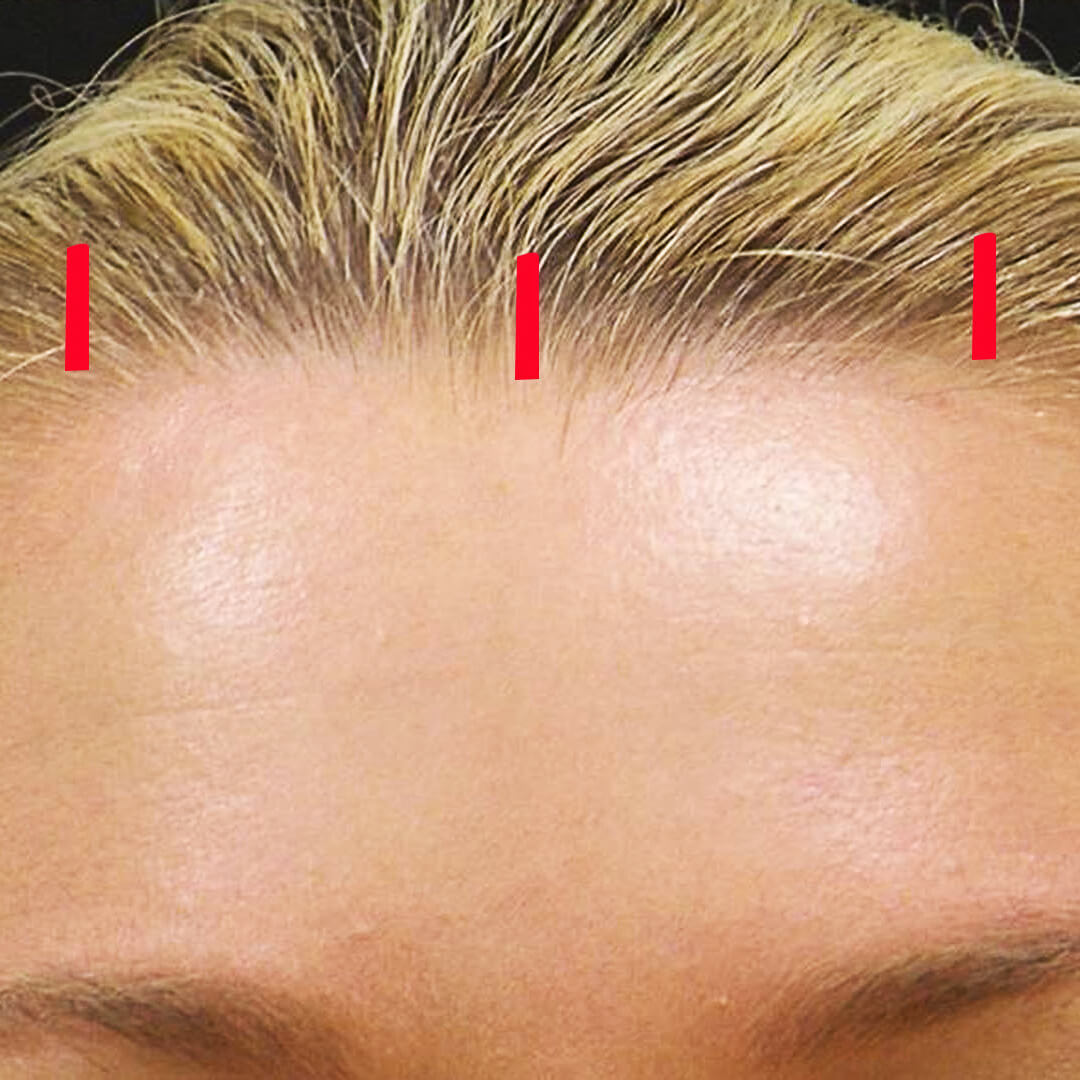
The open brow lift uses an incision hidden in the hair-bearing scalp to lift and redrape the brow and the forehead. The open brow lift remains a relevant and effective technique for its ability to predictably and reliably reposition the eyebrow and redrape the forehead. This technique is particularly useful for patients with very descended brow, with significant excess skin and thick and heavy forehead skin. The disadvantage of this technique is the long incision required within the scalp. For patients not keen for this approach then, the limited incision or the endoscopic technique is a viable alternative.
Endoscopic or Limited Incision Brow Lift
The endoscopic brow lift is becoming the most popular technique in brow lifting. Because of the precise release and visualization possible with the endoscope, incisions can be kept to a minimum and as inconspicuous as possible
This technique is ideal for patients with early brow descent, with significant descent of the brow but not much skin laxity.
Deep temporal lift
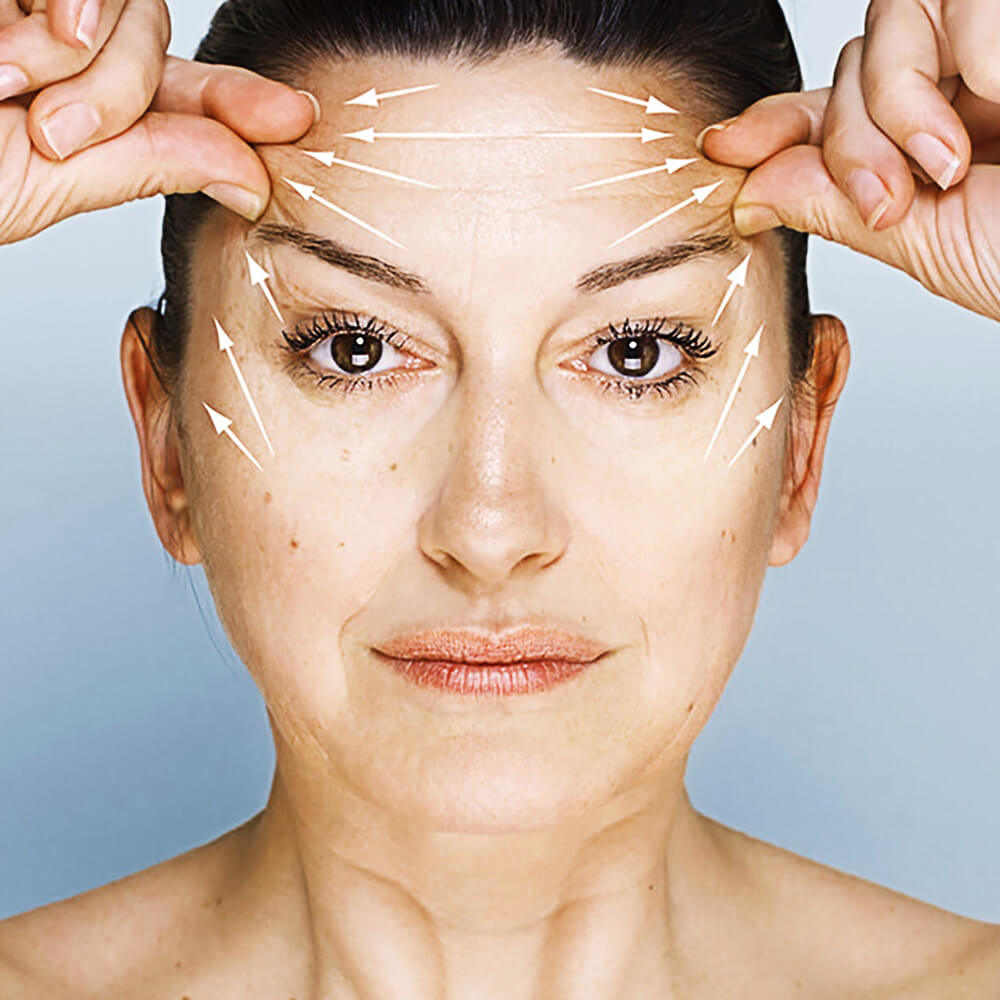
This short incision brow lift is very useful and effective for patients with descent of the tail of the brow. Dissection required is minimized and recovery rapid.

Midcheek lift via the TEMPLE
With any of the above mentioned technique that access the temple, the incision also allows for a simultaneous access to the midcheek. Precise release of the midcheek retaining ligaments allow the midcheek to be lifted and an effeective midcheek lift be performed together with the brow lift without needing additional incisions.
RECOVERY
The incisions are meticulously closed. A light dressing is applied over the forehead overnight. Drains may be needed for one day to reduce bruising. The incisions are cleaned daily. The sutures are removed after a week. Minor bruising and swelling will resolve gradually over the next 3 – 4 weeks.
Numbness may occur over the top of the scalp. This is expected with the open technique but may also occur with the endoscopic/ short scar technique. The numbness usually recovers over the next few months. Please visit us for an in-depth discussion on your specific needs.

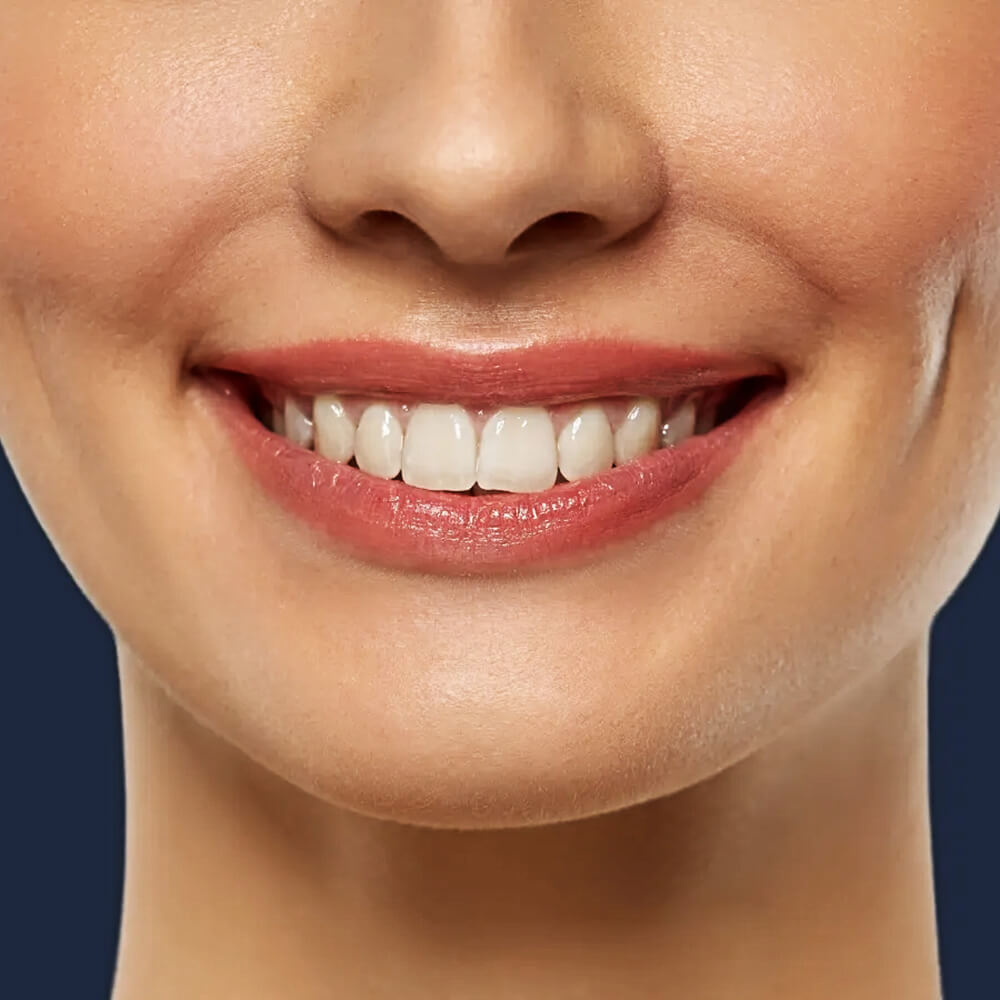

Dimples brighten and add character to your smile.
Dimple Creation
Anatomically, naturally occurring dimples are the result of a gap between the muscles around the mouth. As a result, the skin is attached to the underlying soft tissues and puckers with smiling (creating the dimples).
The Procedure
Dimple creation is a simple surgical procedure that aims to recreate this naturally occurring anatomy. The ideal position of the dimples varies from patient to patient. The decision as to where to place the dimple is made with the patient’s input and preference at the time of the procedure. The procedure can be done under local anesthesia in clinic with minimal discomfort. No cut is done on the cheek. A small incision is made in the mouth after the area is numbed with local anesthetic. The skin is then fixed to the deeper tissues with an absorbable suture and the incision closed. No removal of sutures is necessary.
Recovery and Expected Outcome
Healing is rapid with minimal swelling. Initially, the dimples is present all the time. After several weeks, it will only be present when you are smiling, just like a naturally occurring dimple.
Reconstructive Surgery
CROOKED NOSE
The crooked nose can broadly be due to 2 main causes, congenital or developmental (that is the patient was born with a crooked nose) or acquired (usually as a result of an old injury to the nose). The crooked nose is an aesthetic as well as a functional problem. Aesthetically the crooked nose perturbs the balance of the midface, bringing unwanted attention of the observer to the nose, detracting from other facial features. Once corrected, this balance is restored and a profound improvement of the overall facial aesthetics can be achieved. As importantly is the functional aspect of the nose. The crooked nose often results in partial blockage of the nasal passages, causing significant patient discomfort and difficulty breathing.
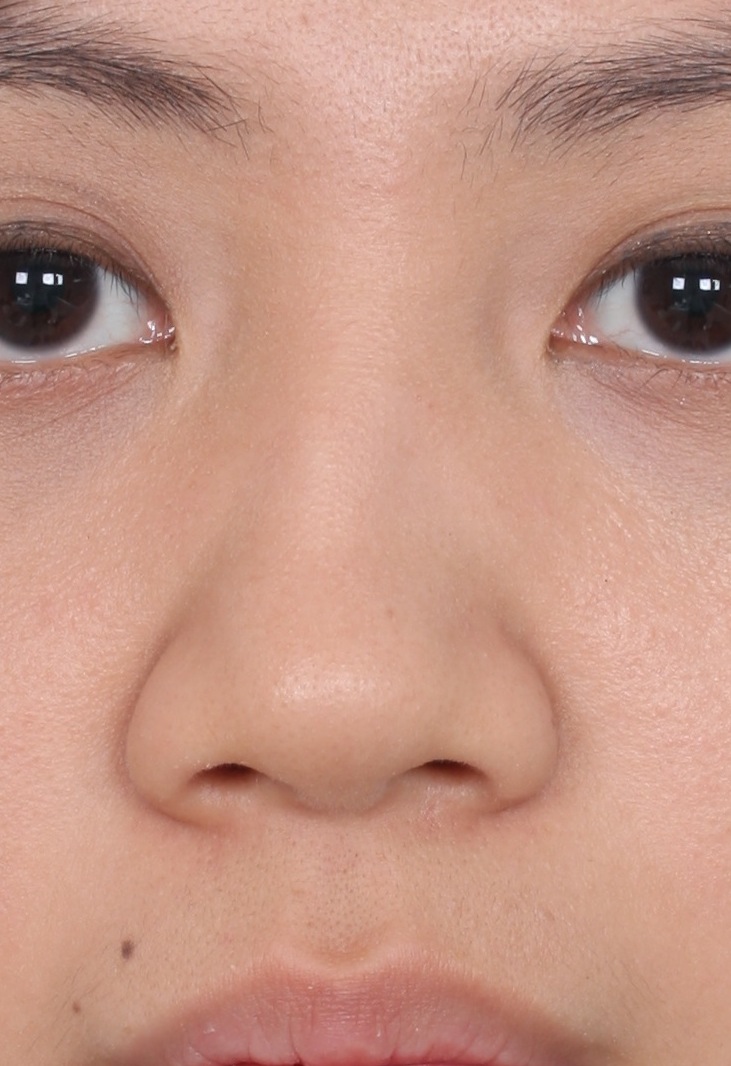
Figure 2: A saddle nose as a result of nasal fracture.
Correction of the crooked nose